
Top Survival Methods to Protect Your Food
How to Store your Food Provision from unwanted Animals and pests while camping.
Introduction to the best survival way to store food and provisions while on a family camping or hiking trip.
Proper food storage in the wilderness is a critical skill that can make or break your outdoor experience. It’s more than just keeping your snacks safe – this involves wildlife conservation, personal safety, and respecting the natural environment. Whether you’re a seasoned backpacker or planning your first camping trip, mastering this art is essential for a successful outdoor adventure. And always remember to take your rubbish with you at the end of your camping trip.
Understanding Animal Senses and Food Detection
Before diving into storage techniques, it’s crucial to understand what we’re up against. Animals, particularly bears, have an incredible sense of smell. A bear can detect food odours from up to 20 miles away – that’s like smelling a freshly baked pie from the other side of your city!
This remarkable ability means that even the smallest morsel or faintest scent can attract wildlife to your campsite. It’s important to remember that it’s not just obvious food items that can attract animals. Toothpaste, deodorant, scented lip balm, and even some medications can pique an animal’s interest. Anything with a strong scent should be treated as potential wildlife bait and stored accordingly.
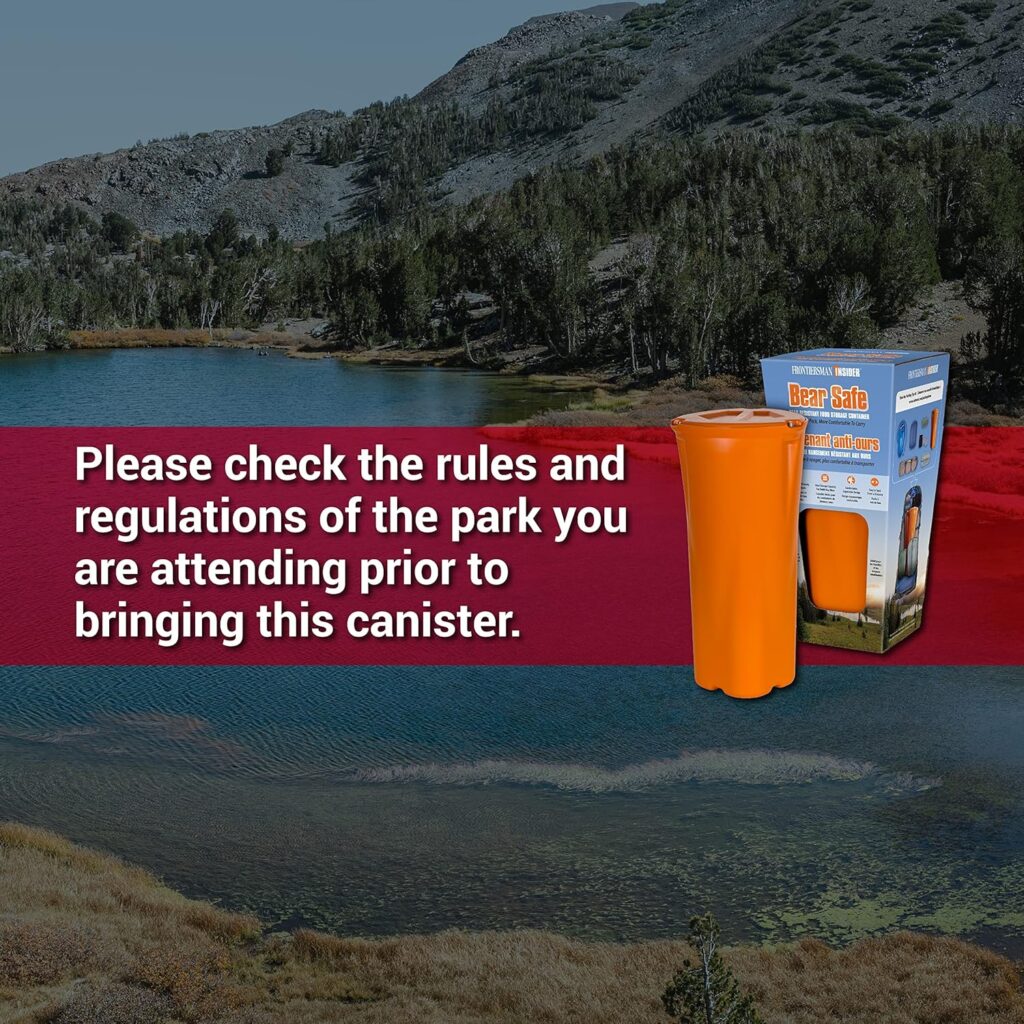
SABRE Frontiersman Bear Safe Food Storage Container
SABRE Frontiersman Bear Safe Food Storage Container
HIGH STORAGE CAPACITY: 11.86 liters (734.64 cubic inches) of storage is ideal for multi-day hikes.
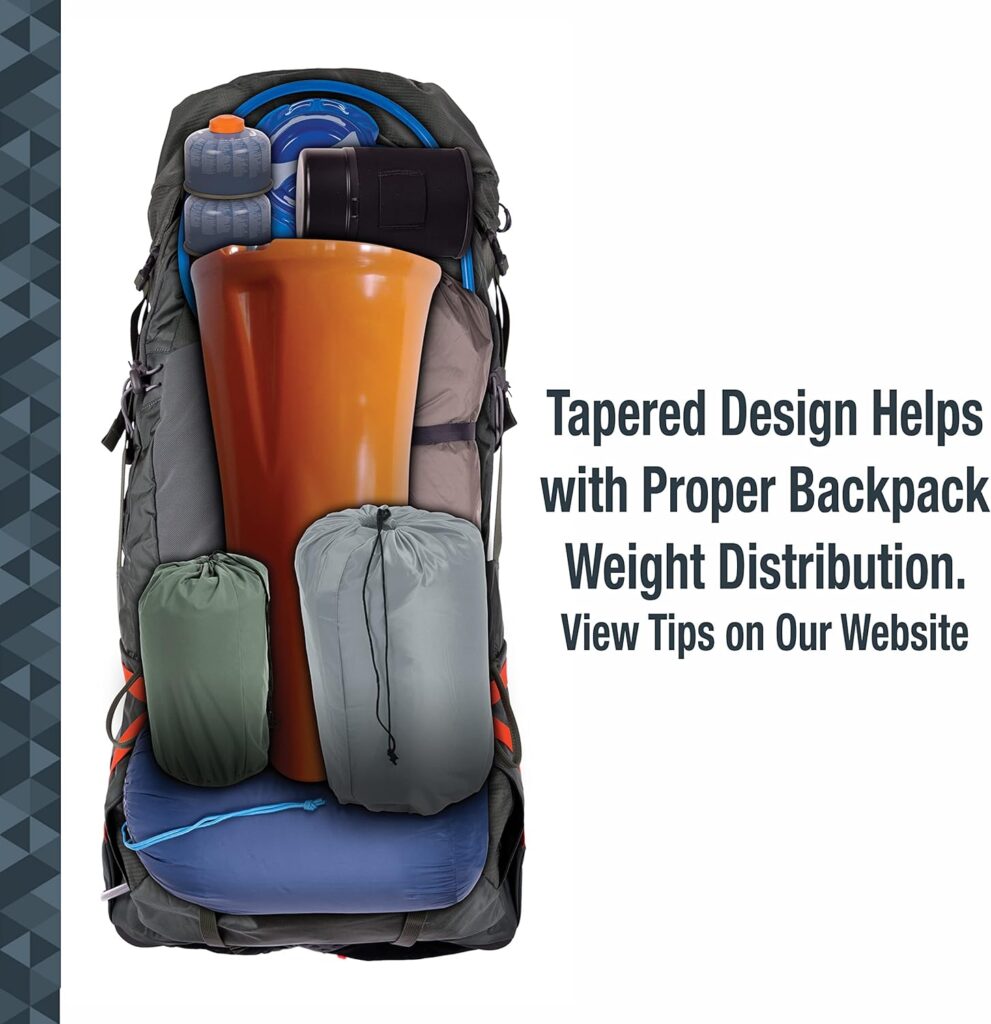
EASY TO PACK: Smart tapered design helps to make the most of bag space. Comfortably packs inside 45 liter or larger bags along with other trail gear.
SECURE FOOD SAVER: Locking lid mechanism helps to keep bears out but is easy for you to open. Water and airtight gasket locks in food freshness and prevents food odors as to not attract bears.
ERGONOMIC AND COMFORTABLE: Prevents awkward load distribution while in your bag. It also minimizes banging against your body while in your pack making long hikes and extended pack wear more comfortable.
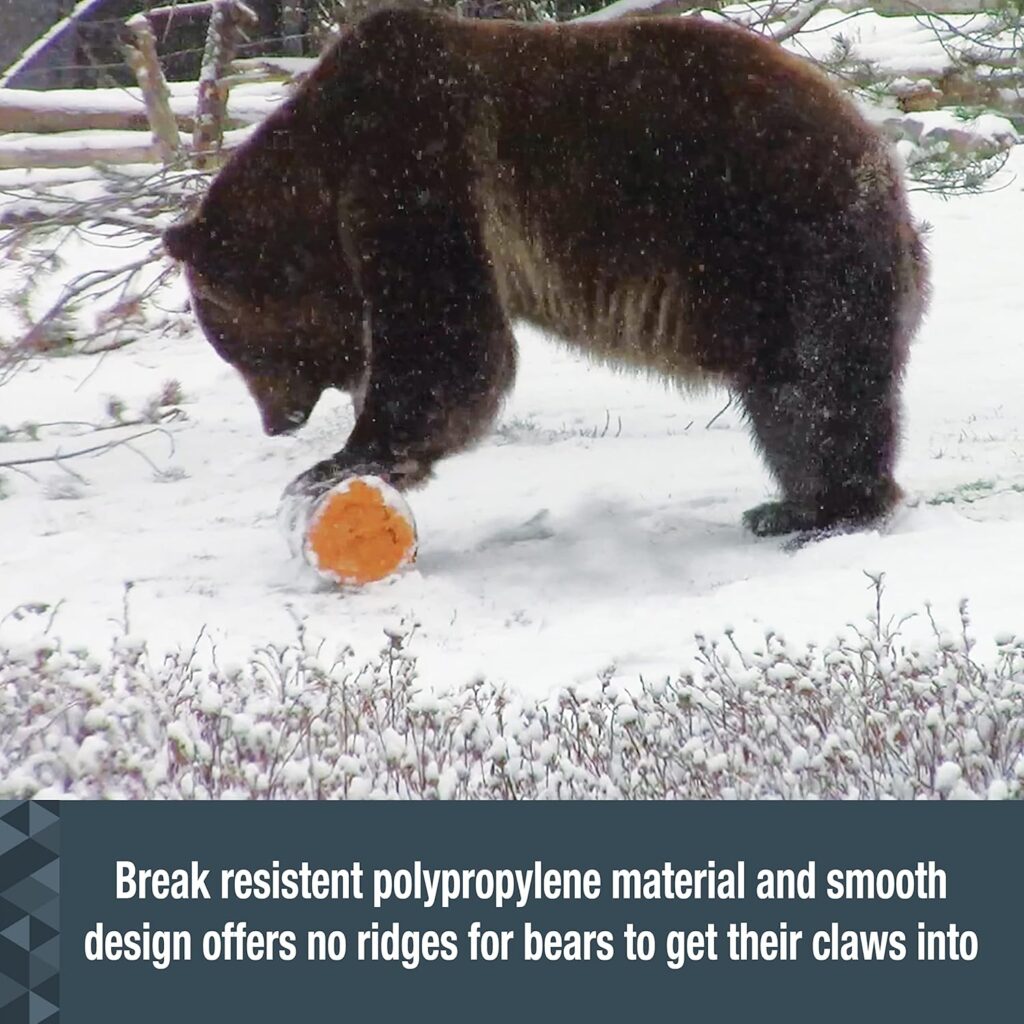
HIGH PRESSURE RELEASE VALVE: Helps prevent breaking by releasing pressure allowing container to flex when a bear attempts to break open.
FIELD TESTED AND CERTIFIED: The INSIDER bear safe passed rigorous testing by the Interagency Grizzly Bear Committee’s (IGBC) bear-resistant products testing program; Meets U. S. Forest Service specifications for use in national parks.
The Golden Rules of Outdoor Food Storage
1. Invest in Animal-Resistant Containers
Your first line of defence should be a sturdy, animal-resistant container. Bear canisters are the gold standard, especially in bear country. These hard-sided containers are designed to withstand the strength and intelligence of wildlife. Many national parks and wilderness areas now need their use.
When choosing a bear canister, look for containers certified by the Interagency Grizzly Bear Committee (IGBC) for the highest level of protection. These containers undergo rigorous testing to confirm they can withstand the determined efforts of bears and other wildlife.
2. Master the Art of Hanging Food
In areas where bear canisters aren’t required, the “bear bag” method can be effective when done correctly. Here’s a step-by-step guide to hanging your food:
- Find a suitable tree at least 100 yards from your campsite.
- Throw a rope over a branch that’s at least 15 feet high.
- Attach your food bag to one end of the rope.
- Hoist the bag at least 10 feet off the ground and 4 feet away from the tree trunk.
- Secure the other end of the rope to a different tree.
Remember, this method needs practice and isn’t foolproof. In areas with particularly clever bears, even a well-hung bag can be compromised. It’s always best to check local regulations and recommendations before relying solely on this method.
3. Implement the Triangle Method
When setting up camp, think in triangles. Create a triangle with your sleeping area, cooking area, and food storage area, each at least 100 yards apart. This separation helps keep wildlife away from where you sleep and reduces the chances of unwanted visitors.
The triangle method is particularly effective because it creates distance between you and the scents that might attract wildlife. By keeping your food storage area far from where you sleep, you reduce the risk of nocturnal visitors investigating your tent.
4. Use Odor-Proof Bags
While not 100% effective, odour-proof bags can add an extra layer of protection by reducing food smells. They’re particularly useful for storing trash, which can be just as attractive to animals as your food supply. These bags are made with special materials that help contain odours, making it harder for animals to detect the scents inside.
When using odour-proof bags, it’s important to remember that they’re not a substitute for proper storage methods like bear canisters or hanging. Instead, think of them as an extra layer of protection to use in conjunction with other techniques.

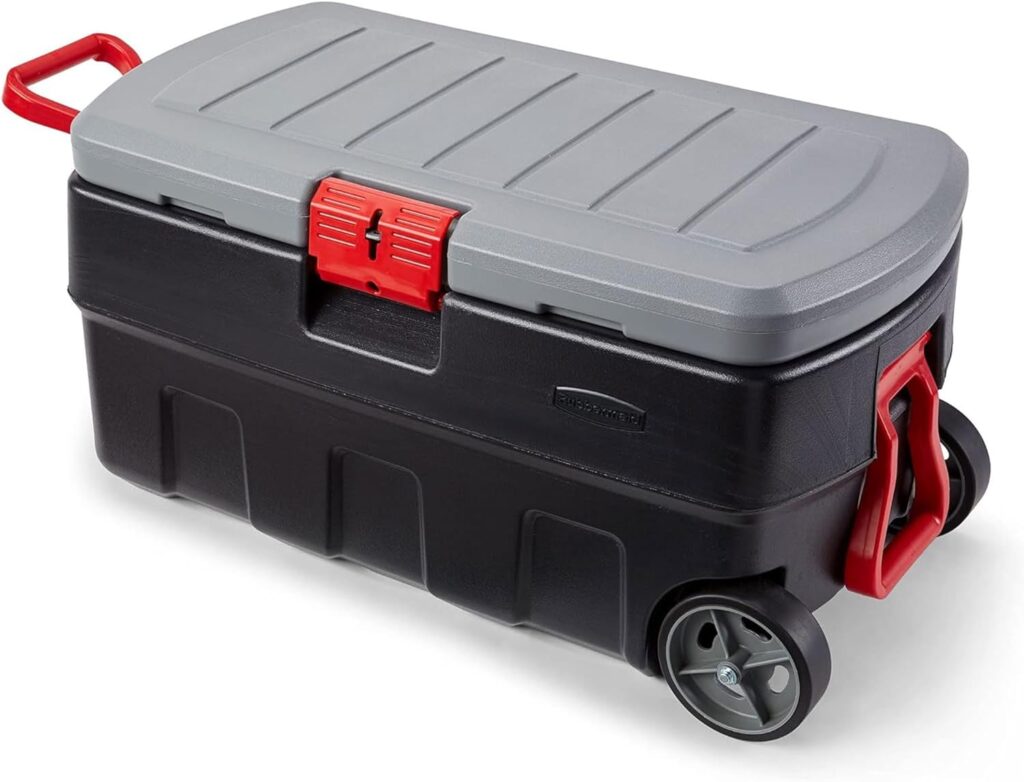
Rubbermaid ActionPacker 35 Gallon.
Rubbermaid ActionPacker 35 Gallon
READY FOR ADVENTURE: Designed for rigorous transport and rough use. Rubbermaid Action Packer storage box keep your supplies safe from rain and pests. Ideal for Outdoors, Adventure, Sports, Industrial and Commercial use.
HEAVY DUTY: Proven Rubbermaid quality heavy-duty storage bins for camping, truck storage containers and much more. These storage containers are designed to withstand harsh temperatures from 0 – 115° F.
EXTRA STRONG LID: Storage containers with lids built with a double-walled lid that fits tightly to protect contents. Grooved surface repels water, preventing it from pooling on the lid. Durable and impact resistant construction that won’t crack or buckle when stacked.
LOCKABLE LATCHES: Add a lock for extra security keeping contents safe and tamper resistant. For added stability a bungee cord can be used. (lock and bungee not included).
GREEN CIRCLE CERTIFIED: Made with recycled content and recognized by the Climate Pledge Friendly program. These totes are designed for repeated use and easy maintenance, helping to reduce waste and contribute to a more sustainable future.
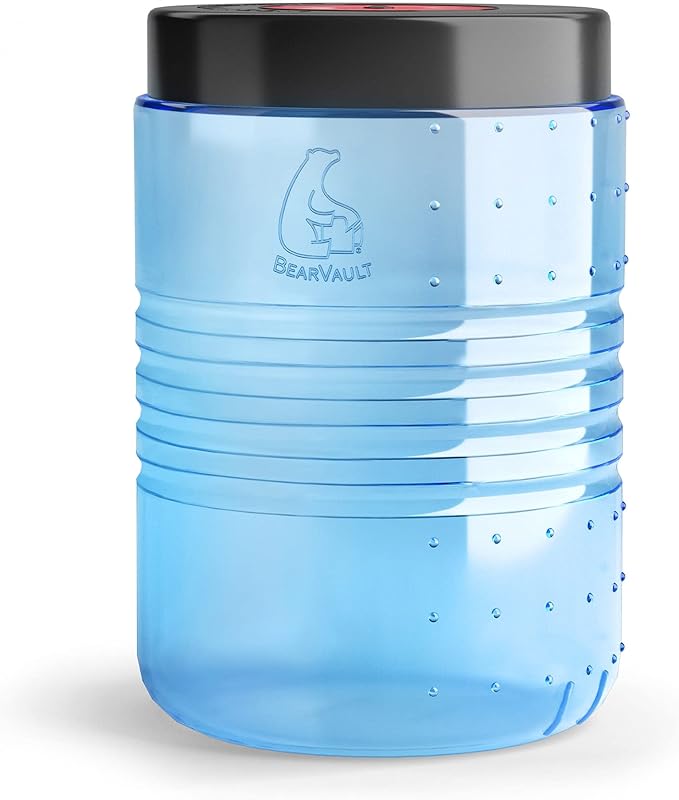
Bear-Resistant Food Container for Camping, Hiking, Fishing, by BearVault
Bear-Resistant BV425 SprintFood Container for Camping.
New, Smallest Size, BV425 Sprint! This little bear can is for a quick overnight trip, or for sharing the load in a group. Hikers of every age, build, and fitness can now carry their own food safely.
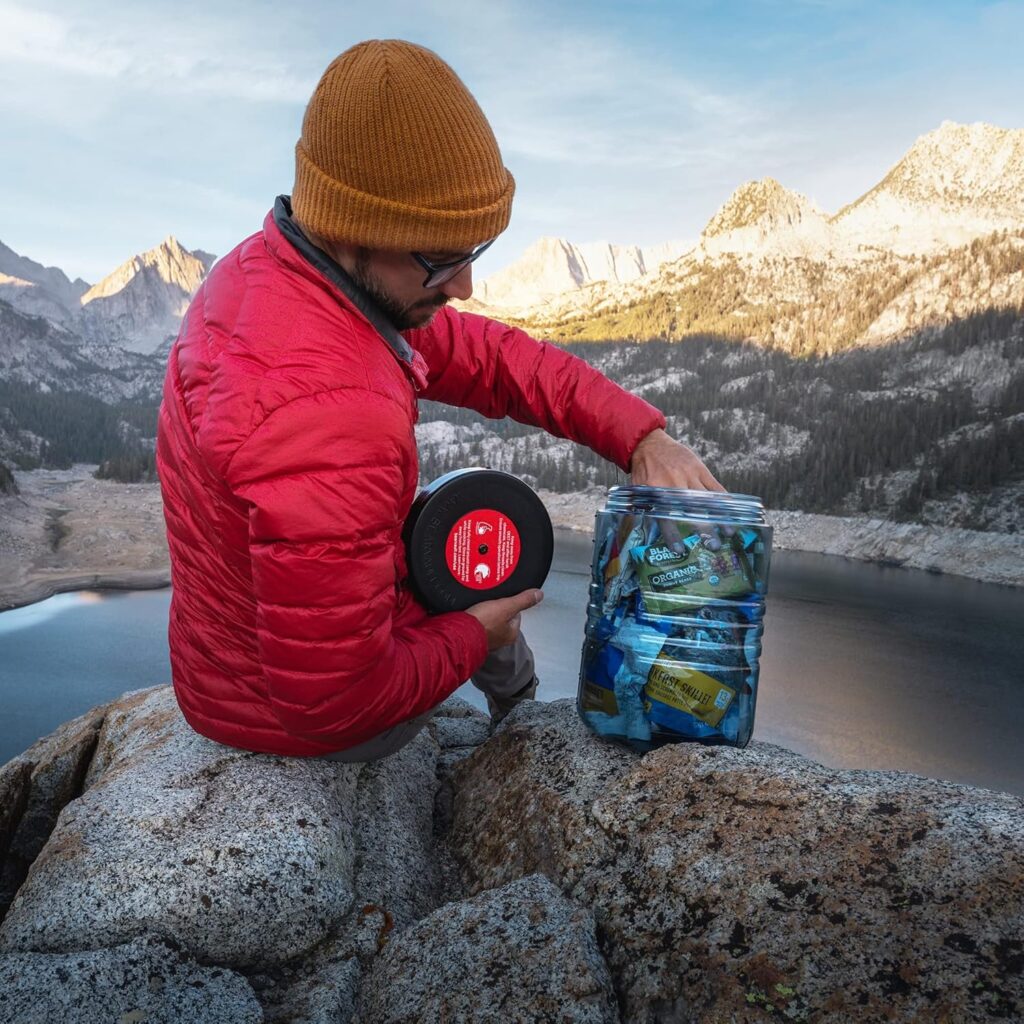
Slides Easily into a Small Pack, Lightest of All: A bear canister for backpacking ultralight with 1-2 days of food for regular hikers, or pack calories like an ultralight pro and get 4-5 days in.
Leave Lunch at the Base: Out fishing, climbing, taking photos, hunting? Leave your lunch at the base in this little bear resistant canister to protect it from bears and wildlife while you have fun!
Clear Sides, Wide Opening, Tool-Free, Doubles as a Camp Stool: Transparent so you can see your camp food, simple to open, and you can sit on your ultralight bear canister while you munch your lunch.
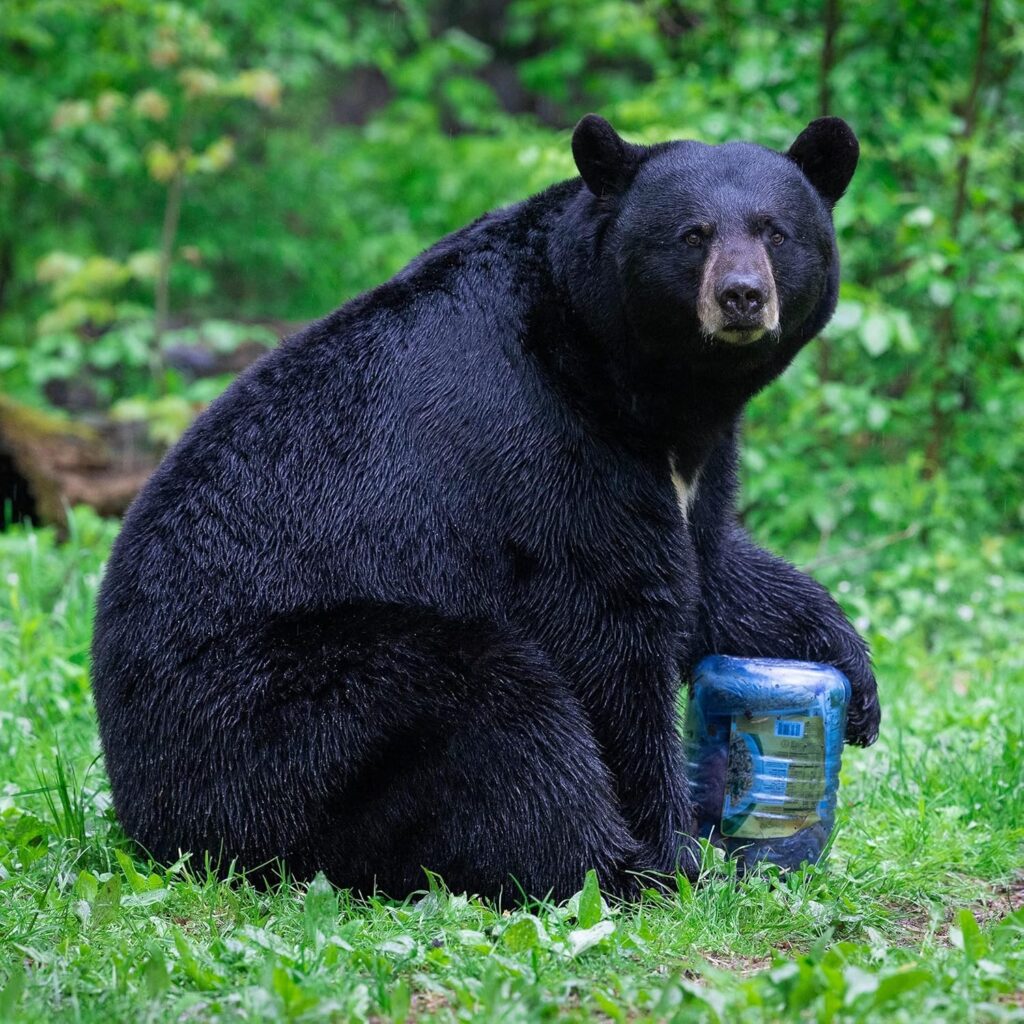
Grizzly (IGBC) Tested and Approved as bear resistant food storage. The same quality, design, and bear worthiness as classic BearVaults, this small bear canister is mighty strong when faced with bears.
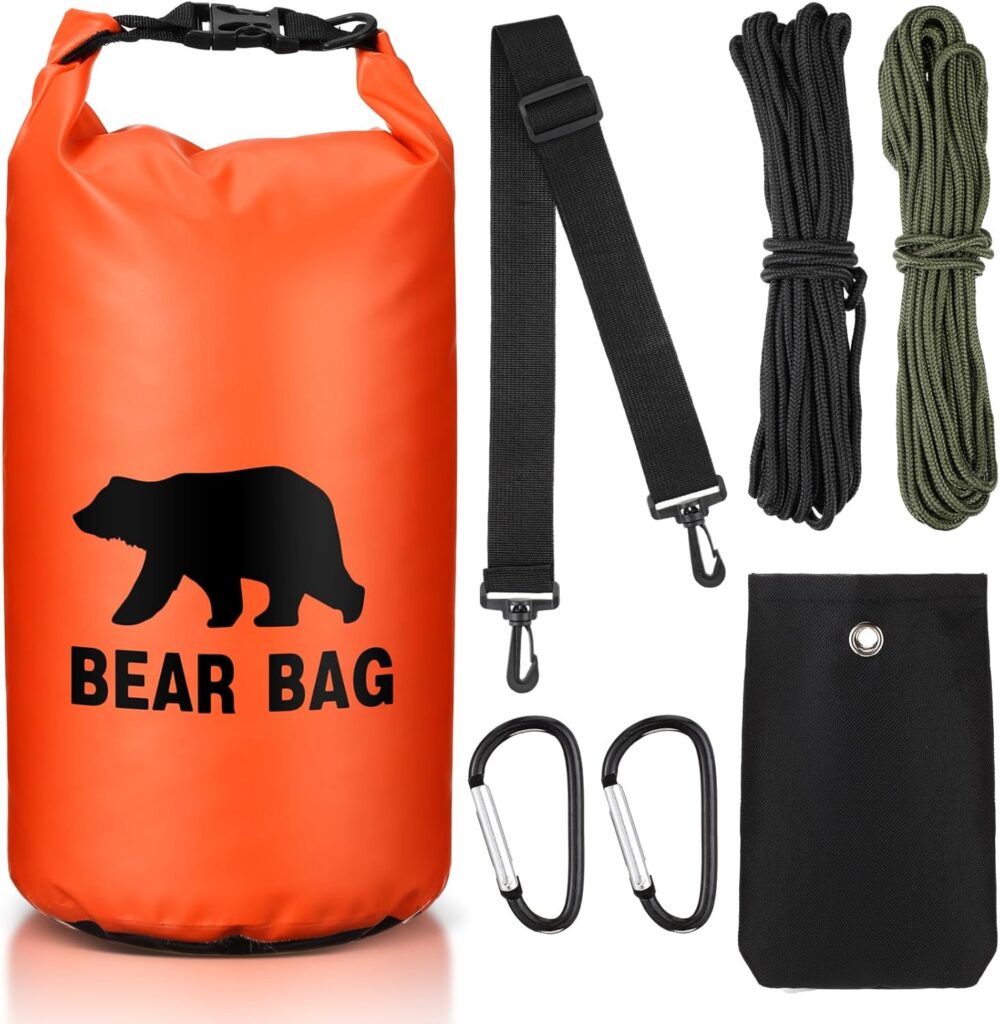
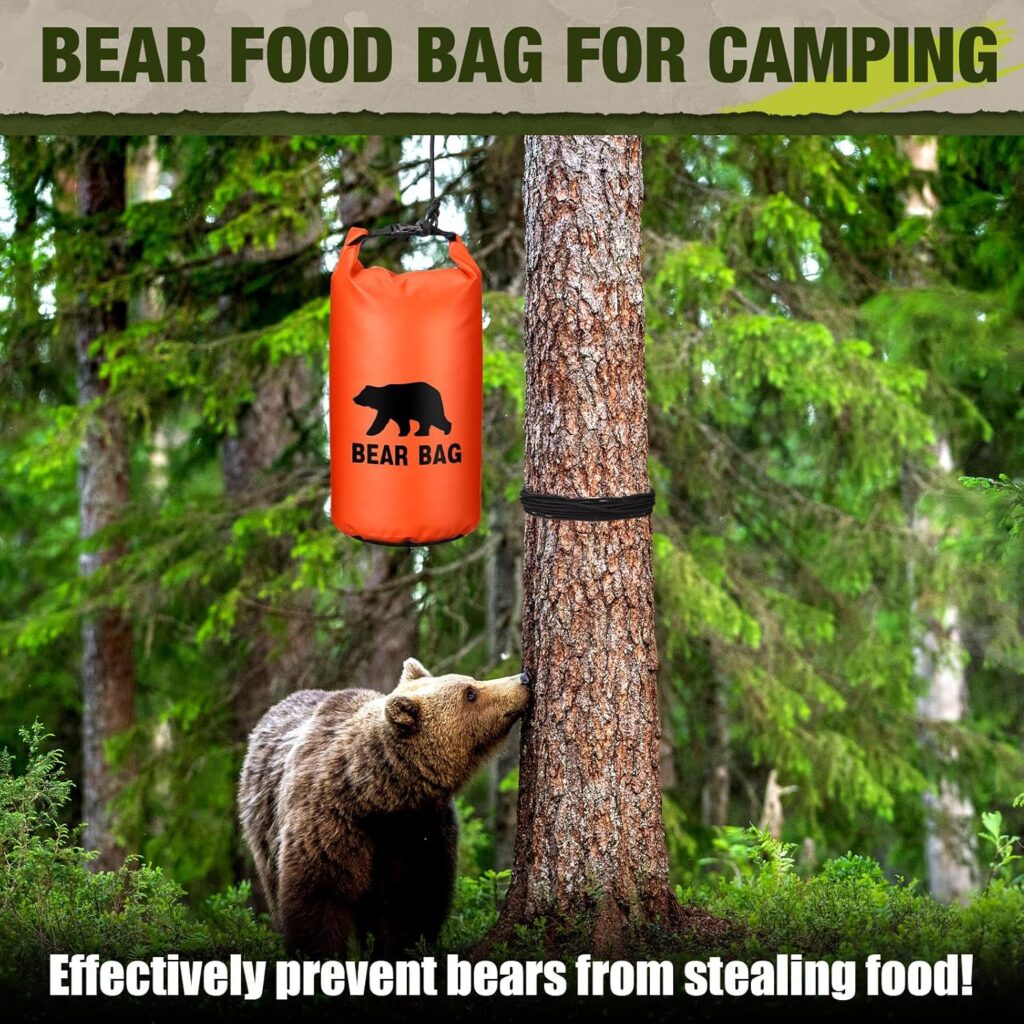
Foilswirl 1 Set Bear Food Bag for Camping Ultralight Food Hanging System
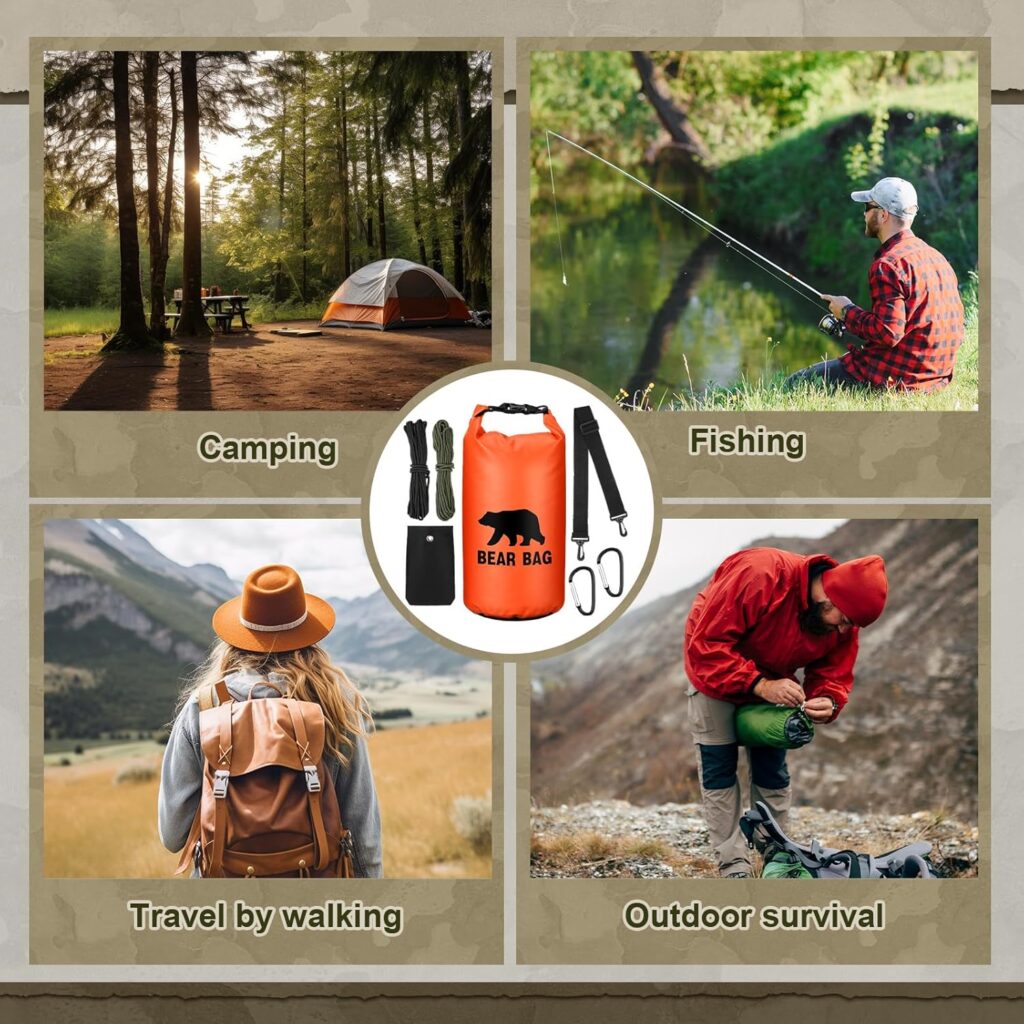
Foilswirl Complete Camping Kit: our bear bag hanging kit includes 1 bear resistant bag, 2 rolls of dependable ropes, 2 hooks, and 1 bag for rock throwing sized at approximately 7.09 x 4.72 inches/ 18 x 12 cm, which are practical accessories for camping and backpacking.
Robust Material Composition: crafted using resilient PVC, our waterproof bag assures you a lasting usage even when applied in rugged camp environments; Accompanied by sturdy nylon ropes and completed in black and green, which seamlessly blends durability with style.
Easy to use: you can put a few rocks into the bag, tie off the rope and toss it over a branch easily, easy to raise your waterproof bear bag, hanging food on a tree with fewer worries from hungry animals, convenient and safe.
Secure and Convenient Food Hanging System: our bear proof bags for backpacking can stay out of bears’ reach and reduce human bear conflicts, measuring about 10 liters in capacity, large and portable, allowing more time for you to enjoy your camping experience.
Broadly Applicable: whether you’re embarking on a forest hike, or simply camping in the wilderness, our food bag camping fits in effortlessly; It’s designed to cater to a diverse array of outdoor activities, a handy tool for modern adventurer.
Advanced Food Storage Techniques
Color Matters
Recent studies suggest that the color of your storage containers might influence animal behaviour. Some researchers believe that yellow containers are more visible to bears and therefore less intriguing. While the jury’s still out on this, it’s an interesting consideration for your gear choices.
The theory behind this is that bears are naturally curious creatures. A brightly coloured object that stands out in the forest might be less mysterious to them than something camouflaged or hidden. By making your food storage visible, you might reduce a bear’s interest in investigating it.
Electric Fences for Base Camps
If you’re setting up a long-term camp or have a large group, consider a portable electric fence. These have shown up to 97% effectiveness in deterring bears from food storage areas. They’re not practical for every situation but can be a game-changer for extended stays in bear country.
Electric fences work by delivering a short, sharp shock to any animal that touches them. This shock is not harmful but is unpleasant enough to discourage further investigation. When setting up an electric fence, it’s important to follow manufacturer instructions carefully and to check local regulations about their use.
Ultrasonic Devices: A Controversial Option
Some campers swear by ultrasonic devices designed to repel animals. While results are mixed, they might offer an extra layer of protection. However, never rely on these as your sole method of food storage. Ultrasonic devices emit high-frequency sounds that are supposed to be unpleasant or alarming to animals.
The effectiveness of these devices is debated, with some studies showing little to no effect on wildlife behaviour. If you choose to use one, consider it a supplementary tool as opposed to a primary defence.
The Ripple Effect of Proper Food Storage
The importance of proper food storage extends far beyond your personal safety. A long-term study in Yosemite National Park demonstrated that proper food storage education and enforcement led to a staggering 93% decrease in bear incidents over a 37-year period.
This dramatic reduction in human-wildlife conflicts protects both humans and animals. When wildlife becomes habituated to human food, it often leads to dangerous behaviour and the eventual euthanization of the animal. By storing food properly, we’re not just protecting our supplies – we’re actively contributing to wildlife conservation efforts.
Challenges and Controversies in Food Storage
The Great Debate: Hanging vs. Canisters
There’s ongoing debate about the effectiveness of hanging food bags versus using bear canisters. While hanging is traditional and can be effective when done perfectly, many experts now recommend canisters as the more reliable option. They’re foolproof (when used correctly) and don’t need finding the perfect tree.
The argument for hanging is that it’s a lightweight option that doesn’t need carrying a bulky canister. However, it needs skill to execute properly and can be challenging in areas with few suitable trees. Canisters, on the other hand, are heavier but provide consistent protection regardless of the environment.
The Car Conundrum
Storing food in cars is a contentious issue. While it might seem safe, bears have been known to break into vehicles attracted by food odours. In some areas, it’s even illegal to use your car as a food locker. The problem with using cars for food storage is twofold.
First, bears have incredibly sensitive noses and can detect even faint food odours through a sealed car. Second, once a bear associates cars with food, it may begin breaking into vehicles regularly, causing significant property damage and potentially endangering humans. Always check local regulations and use designated food lockers when available. If you must store food in your car, confirm it’s well-sealed and consider using odor-proof bags as an extra precaution.
Adapting to Different Environments
Desert Camping: Critters and Heat
In arid environments, you’re less likely to encounter large predators, but small rodents can be a significant nuisance. Heat is also a factor. Consider using a combination of hard-sided containers and hanging methods. Keep food out of direct sunlight to prevent spoilage.
Desert environments present unique challenges for food storage. Rodents like mice and rats can chew through soft-sided containers, so hard-sided options are often best. The intense heat can also cause food to spoil quickly, so it’s important to keep supplies in shaded areas whenever possible.
Coastal Considerations: Salt, Sand, and Seagulls
Camping near the ocean presents unique challenges. Salt air can corrode containers, and sand can jam zippers. Seagulls and other coastal birds are often bold and clever. Use sealed, waterproof containers and be vigilant about keeping food always covered.
Coastal environments need extra attention to the durability of your storage containers. Look for options that are specifically designed to resist corrosion and sand infiltration. Be particularly wary of leaving food unattended, as coastal birds can be surprisingly quick and aggressive in their pursuit of human food.
Embracing Traditional Wisdom
Native American tribes have long practiced effective food storage methods, including the use of elevated “bear poles” and underground caching. Incorporating traditional ecological knowledge into modern practices can provide valuable insights and techniques. Bear poles are tall, smooth poles with arms at the top from which food bags can be hung. They’re effective because they’re difficult for bears to climb and keep food well out of reach.
Underground caching involves burying food in sealed containers, using the earth’s natural cooling properties to preserve supplies. Consider learning about local indigenous practices for food storage. Not only can this enhance your outdoor skills, but it also deepens your connection to the land and its history. Many indigenous techniques have been refined over thousands of years and are perfectly adapted to local environments and wildlife.
The Future of Food Storage
As human-wildlife interactions continue to increase because of habitat encroachment and climate change, the importance of effective food storage will only grow. Ongoing research and development are focusing on creating more effective, user-friendly storage solutions that can adapt to various environments and wildlife species. One area of development is in smart storage containers that can alert users to animal presence or tampering.
These might use motion sensors or other technologies to provide an extra layer of security. Another focus is on developing new materials that are both lightweight and highly resistant to animal interference. Keep an eye out for innovations in materials science that might lead to lighter, stronger containers, or new technologies that could change how we approach food storage in the wilderness. As our understanding of animal behaviour and ecology improves, so too will our ability to coexist safely with wildlife in outdoor settings.
Exercises to Master Food Storage
Practice hanging a bear bag in your backyard or a local park.
Time yourself and try to improve your speed and technique.
- Conduct a “scent audit” of your camping gear.
Identify all items that might have an odour attractive to animals and practice storing them properly.
- Plan a menu for a three-day camping trip, focusing on foods that are easy to store and produce minimal waste and odour.
- Research the specific food storage regulations for three different wilderness areas you’d like to visit.
Compare and contrast their requirements.
- If possible, attend a wilderness safety course that includes hands-on practice with various food storage methods.
Key Takeaways
- Always use animal-resistant containers as your primary food storage method
- Implement the triangle method when setting up camp to separate sleeping, cooking, and food storage areas
- Check and follow local regulations for food storage in different wilderness areas
- Proper food storage is crucial for both human safety and wildlife conservation
- Continuously educate yourself on new techniques and technologies for wilderness food storage
Frequently Asked Questions
What is the best way to store food while camping?
The best way to store food while camping is to use a bear-resistant canister. These hard-sided containers are designed to withstand tries by wildlife to access the contents.
In areas where bear canisters aren’t required, properly hanging food bags at least 10 feet high and 4 feet from the tree trunk can be effective.
How far away should I store food from my campsite?
You should store food at least 100 yards (about 90 meters) away from your campsite. This distance helps reduce the likelihood of attracting wildlife to your sleeping area.
Use the triangle method, keeping your sleeping area, cooking area, and food storage area at least 100 yards apart from each other.
Can I store food in my car while camping?
Storing food in your car while camping is generally not recommended and may be illegal in some areas. Bears and other wildlife can break into vehicles if they smell food inside.
Always check local regulations and use designated food lockers or proper storage methods instead.
What foods attract bears to campsites?
Bears are attracted to a wide variety of foods, including obvious items like meats, fish, and sweets, and less obvious things like canned goods, pet food, and even some non-food items with strong scents. Essentially, anything with a strong odour can potentially attract bears to your campsite.
Are bear canisters necessary?
Bear canisters are highly recommended and often required in many wilderness areas, especially those with significant bear populations. They provide the most reliable protection for your food and help prevent wildlife from becoming habituated to human food sources.
How effective are odour-proof bags for food storage?
Odour-proof bags can be effective in reducing food smells, but they should not be relied upon as the sole method of food storage. They work best when used in conjunction with other methods like bear canisters or proper food hanging techniques.
What should I do if a bear gets my food?
If a bear gets your food, do not try to retrieve it. Your safety is the top priority.
Report the incident to park rangers or local authorities as soon as possible.
They may need to take action to prevent the bear from becoming habituated to human food.
Can I bury my food to keep it safe from animals?
Burying food is generally not recommended as a storage method. Many animals have an excellent sense of smell and can easily dig up buried food.
This practice can also attract burrowing animals and disturb the local ecosystem.
How do I store food when backpacking in areas without trees?
In treeless areas, use a bear canister or other approved hard-sided container. If these aren’t available, some backpackers create a “rock cache” by wedging their food bags between large boulders, but this method is less reliable than using proper containers.
Are there any foods that are particularly difficult to store safely while camping?
Foods with strong odours like fish, bacon, and aromatic spices can be particularly challenging to store safely. These items need extra care in sealing and storing.
Consider using odour-proof bags inside your bear canister for these types of foods.
Proper food storage is a crucial responsibility we have to the wilderness and it’s inhabitants. By mastering these techniques, you’re not just protecting your food supply – you’re playing a vital role in wildlife conservation and ensuring that future generations can enjoy the great outdoors as we do.
Every time you store your food properly, you’re making a positive impact on the delicate balance between human recreation and wildlife preservation.
Happy camping, and may your food always stay safely out of reach of curious critters!